バンコクでの生活に慣れてくると、行動範囲を広げるために車の運転免許を取得したいと考える方も多いのではないでしょうか。タイで運転免許を取得する際、以前は学科試験の言語を「日本語」が選べたのですが 現在は「タイ語」 と「英語」になりました。 タイ語か英語でどちらで試験を受けますか? 多くの方が英語で受験するを選択するのではないでしょうか。「英語は少し苦手…」という方でも心配ありません。交通ルール自体は万国共通の部分が多く、出題される英単語のニュアンスさえ掴んでしまえば、おかしな日本語に惑わされるよりずっとスムーズに合格できます。
そこで、実際の試験に役立つ英語の原文に、自然でわかりやすい日本語訳と丁寧な解説をつけた「完全対訳オリジナル問題集50問」をご用意しました!スマホからサクッと解けるようになっていますので、試験前のスキマ時間にぜひご活用ください。
Results


#1. When multiple vehicles arrive at an intersection without traffic lights at the same time, which vehicle has the right-of-way? 信号機のない交差点に複数の車両が同時に到着した場合、どの車両に優先権(先に進む権利)がありますか?
Select all that apply:
Since Thailand drives on the left, you must give way to vehicles approaching from your right at an intersection. Right-side vehicle has priority.
タイは左側通行なので、交差点では自分の右側から近づいてくる車両に道を譲らなければなりません。右側の車両が優先となります。
#2. Who has the right-of-way at a roundabout (traffic circle)? ロータリー(環状交差点)では、誰に優先権がありますか?
Vehicles already inside the roundabout (coming from your right) have absolute priority. Entering vehicles must yield.
(解説すでにロータリーの内部にいる車両(自分の右側から来る車両)が絶対優先です。進入しようとする車両は譲らなければなりません。)
#3. At an intersection where a main (major) road and a minor road meet, which vehicle has priority? 優先道路(広い主道路)と非優先道路(狭い脇道)が交わる交差点では、どちらの車両が優先されますか?
Explanation: Traffic on the main road always has priority over vehicles entering from side streets or minor alleys.(解説:優先道路(主道路)を走る交通は、脇道や路地から進入してくる車両よりも常に優先されます。)
#4. Can you turn left at an intersection when the traffic light is red? 信号が赤のとき、交差点で左折することはできますか?
Explanation: In Thailand, you can only turn left on a red light if a specific sign (“Left Turn Permitted”) is present at that intersection.
(解説:タイでは、その交差点に特定の標識(左折可の標識)がある場合にのみ、赤信号での左折が認められます。)
#5. If the intersection ahead is congested and you might get stuck inside it, what should you do? 前方の交差点が混雑しており、交差点内で動きが取れなくなる(立ち往生する)可能性がある場合、どうすべきですか?
Explanation: Even if the light is green, you must not block the intersection and obstruct cross-traffic. Wait behind the line.(解説:たとえ信号が青であっても、交差する交通を妨害しないよう、交差点内を塞いではいけません。停止線の後ろで待ちましょう。)
#6. At a T-junction, which vehicle has the right-of-way? T字路(丁字路)では、どの車両に優先権がありますか?
Explanation: The vehicle on the through-road (the top bar of the ‘T’) has the right-of-way over vehicles turning out of the terminating road.(解説:直線道路(「T」の上の横棒にあたる道)を走る車両は、突き当たりの道路から曲がって出てくる車両よりも優先されます。)
#7. When two vehicles meet on a narrow mountain slopes/hill, who should yield and move to the side? 狭い山道や坂道で2台の車両が鉢合わせした場合、どちらが譲って端に寄るべきですか?
The vehicle going downhill must yield to the vehicle going uphill because it is harder for an uphill vehicle to restart or control if stopped.(解説:下り側の車両が、上り側の車両に道を譲らなければなりません。なぜなら、上り坂での発進や車両のコントロールのほうが停止した際に難しいためです。)
#8. What should you do when approaching a railway crossing? 踏切に近づくとき、どのように行動すべきですか?
Explanation: You must always stop and check for safety before passing through any railroad crossing.
(解説:いかなる踏切を通過する場合でも、必ず手前で停止し、安全を確認しなければなりません。)
#9. Which of the following is used to determine whether a road is a main road or a minor road? ある道路が「優先道路(主道路)」か「非優先道路(脇道)」かを判断するために、以下のどれが使われますか?
Traffic signs like “Stop” or “Yield” and road markings indicate that you are on a minor road and must give way.(解説:「一時停止」や「譲れ」といった交通標識、および道路標示は、そこが非優先道路であり、進路を譲らなければならないことを示しています。)
#10. When turning right (or making a U-turn) at an intersection, what should you do if there is oncoming traffic going straight? * 交差点で右折(またはUターン)するとき、対向車線から直進してくる車がいる場合、どうすべきですか?
Explanation: Oncoming straight-moving vehicles always have priority over turning or U-turning vehicles.
(解説:対向する直進車両は、右折やUターンをしようとする車両よりも常に優先されます。)
#11. What is the maximum speed limit for motorcycles in Bangkok, Pattaya, or municipal areas (urban areas)? * バンコク、パタヤ、または自治体管轄区域(都市部・市街地)におけるバイクの最高速度は何キロですか?
The general legal speed limit in urban/municipal areas is 80 km/h.
(解説:都市部・市街地における法律上の一般的な最高速度は時速80キロです。
#12. What is the maximum speed limit for motorcycles outside municipal areas (rural/open highways)? 自治体管轄区域の外(地方の道路や一般の幹線道路)におけるバイクの最高速度は何キロですか?
For motorcycles, the general speed limit outside urban areas is restricted to 90 km/h.
(解説:バイクの場合、都市部の外での一般的な最高速度は時速90キロに制限されています。)
#13. When it is raining and the road surface is wet, how should you adjust your speed and following distance? 雨が降っていて路面が濡れているとき、速度と車間距離をどのように調整すべきですか?
Wet roads increase braking distance, so lowering your speed and widening the gap with the vehicle ahead is necessary.
(解説:濡れた路面では制動距離(ブレーキがかかるまでの距離)が伸びるため、速度を落とし、前車との車間距離を広く取ることが必要です。)
#14. How is a safe following distance legally defined? 法律上、安全な車間距離はどのように定義されていますか?
The law does not specify a precise meter count; it states you must keep enough distance to stop safely in an emergency.
(解説:法律では具体的なメートル数は指定されていません。緊急時に安全に停止できるだけの十分な距離を保たなければならない、と定められています。)
#15. How should you drive when visibility is poor due to thick fog or heavy downpours? 濃い霧や激しい豪雨によって視界が悪いとき、どのように運転すべきですか?
Low beams help others see you. High beams should be avoided because they reflect off the fog/rain and blind you.
(解説:ロービームは周囲から自分の姿を見えやすくします。ハイビームは霧や雨に光が反射して自分の視界を遮ってしまう(眩しくなる)ため、避けるべきです。)
#16. What is the correct way to drive when passing through a School Zone? スクールゾーン(学校周辺地域)を通過する際の正しい運転方法はどれですか?
You are legally required to slow down and use extreme caution near schools, hospitals, or warning sign areas.
(解説:学校、病院、または警戒標識があるエリアの近くでは、速度を落とし、細心の注意を払うことが法律で義務付けられています。)
#17. If you must drive at a very slow speed, where should you position your vehicle on the road? やむを得ず非常に遅い速度で走行しなければならない場合、道路のどこに車両を位置させるべきですか?
Slow-moving vehicles and motorcycles must stay in the left-hand lane to avoid disrupting faster traffic.
(解説:低速車やバイクは、より速い交通の邪魔にならないよう、左側の車線を走行しなければなりません。)
#18. What is the most effective and safest way to use your motorcycle brakes? バイクのブレーキを使用する際、最も効果的で安全な方法は何ですか?
Using both brakes together maximizes stopping power while maintaining vehicle balance.
(解説:前後のブレーキを一緒に使うことで、車体のバランスを維持しながら、制動力を最大限に高めることができます。)
#19. From which side must you generally overtake a vehicle ahead? 前方の車両を追い越す場合、原則としてどちら側から追い越さなければなりませんか?
By law, overtaking must always be done on the right side.
(解説:法律により、追い越しは常に右側から行わなければなりません。)
#20. In which of the following locations is overtaking strictly PROHIBITED? 次のうち、追い越しが「厳格に禁止」されている場所はどれですか?
Overtaking is illegal on bridges, tunnels, intersections, sharp curves, or railway crossings due to lack of visibility and space.
(解説:橋、トンネル、交差点、急カーブ、踏切などは、視界やスペースが不足するため、追い越しは違法となります。)
#21. How many meters in advance must you turn on your turn signal before making a turn or lane change? 右左折や車線変更をする際、何メートル手前から方向指示器(ウィンカー)を出さなければなりませんか?
Thai traffic law mandates giving a signal at least 30 meters before executing a turn or changing lanes.
(解説:タイの道路交通法では、右左折や車線変更を行う少なくとも30メートル前に合図を出すことが義務付けられています。)
#22. What is the safest and correct procedure for changing lanes? 車線を変更する際の、最も安全で正しい手順はどれですか?
Changing lanes safely requires checking mirrors and the blind spot, signaling in advance, and then smoothly merging without disrupting traffic.
(解説:安全に車線変更を行うには、ミラーと目視での死角チェック、事前の合図、そして周囲の交通を乱さずにスムーズに合流することが求められます。)
#23. Can you overtake a vehicle that is already overtaking another vehicle (double overtaking)? すでに他の車を追い越そうとしている車両を、さらに追い越すこと(二重追い越し)はできますか?
Overtaking a vehicle that is already overtaking is highly illegal because it blocks visibility and can easily cause head-on collisions.
(解説:追い越し中の車をさらに追い越す行為は、視界を遮り、正面衝突を引き起こす可能性が非常に高いため違法です。)
#24. What does a single solid white line on the center of the road mean? 道路の中央にある「1本の白い実線」は何を意味していますか?
Solid lines (white or yellow) mean “Do Not Cross.” You must stay in your lane and cannot pass.
(解説:実線(白または黄)は「またぎ禁止」を意味します。自分の車線を維持しなければならず、追い越しはできません。)
#25. Where are you legally PERMITTED to park your motorcycle? 法律上、バイクを駐車することが「許可されている」場所はどれですか?
Parking is prohibited near fire hydrants, crosswalks, intersections, or on painted curbs. Only park in neutral/marked legal zones.
(解説:消火栓、横断歩道、交差点の近く、または色がついた縁石沿いへの駐車は禁止されています。マーキングのない、または指定された合法なゾーンにのみ駐車してください。)
#26. What does a “White and Red” painted curb mean? 縁石に塗られた「白と赤」のペイントは何を意味していますか?
Red and White markings indicate a strict “No Stopping and No Parking” zone. Vehicles cannot stop here even for a second.
(解説:赤と白のマーキングは「駐停車禁止」を意味します。一瞬であっても車両を止めることはできません。)
#27. What does a “White and Yellow” painted curb mean? 縁石に塗られた「白と黄」のペイントは何を意味していますか?
Yellow and White means “No Parking,” but temporary stopping for quick passenger pick-up/drop-off is permitted.
(解説:黄と白は「駐車禁止」を意味しますが、人の乗り降りのためにすぐに発進できる状態での一時停車は認められています。)
#28. How far back from a railway crossing must you stop if a train is approaching? 電車が近づいている場合、踏切から何メートル以上手前で停止しなければなりませんか?
Thai law requires vehicles to stop at least 5 meters away from the nearest rail line when a train is coming.
(解説:タイの法律では、電車が接近している際、最も近いレールから少なくとも5メートル以上離れて停止することが義務付けられています。)
#29. When parking on a public road at night, what must you ensure? 夜間に公道に駐車する際、何を確実にしなければなりませんか?
For safety, parked vehicles at night must have visible indicator lights so oncoming drivers can spot them from 150 meters away.
(解説:安全のため、夜間に駐車する車両は、近づいてくるドライバーが150メートル先からでも気付くことができるよう、視認可能なライトを点けておく必要があります。)
#30. If your motorcycle’s brake lights are broken and not working, what should you do? バイクのブレーキランプが壊れて作動しない場合、どうすべきですか?
Driving with defective safety equipment like brake lights or indicators is illegal and highly dangerous.
(解説:ブレーキランプやウィンカーなどの安全装備が故障した状態で運転することは違法であり、非常に危険です。)
#31. How often should you check your motorcycle’s tire pressure? バイクのタイヤの空気圧はどれくらいの頻度で確認すべきですか?
Tire pressure drops over time and affects handling and braking. Weekly checks ensure optimal safety.
(解説:タイヤの空気圧は時間の経過とともに低下し、ハンドリングやブレーキに影響を与えます。週に一度のチェックが安全を維持するために最適です。)
#32. What is the main purpose of the tread patterns (grooves) on a motorcycle tire? バイクのタイヤにある溝(トレッドパターン)の主な目的は何ですか?
Tire grooves are engineered to channel water away from the contact patch, maintaining traction during wet weather.
(解説:タイヤの溝は、接地面から水を逃がすように設計されており、雨天時でもトラクション(駆動力・グリップ)を維持します。)
#33. What happens if your motorcycle’s chain is too loose? バイクのチェーンが緩みすぎていると、どうなりますか?
A loose chain can derail or bind, leading to immediate mechanical failure and dangerous crashes.
(解説:緩んだチェーンは外れたり絡まったりして、突然の機械故障や危険な事故につながる恐れがあります。)
#34. When checking the engine oil level using a dipstick, what is the correct reading? ディップスティック(オイルレベルゲージ)を使ってエンジンオイルの量を確認する際、正しい状態はどれですか?
For safe engine operations, the oil level must always sit comfortably between the minimum and maximum indicator marks.
(解説:エンジンを安全に作動させるために、オイルの量は常に最低ラインと最高ラインの間に収まっている必要があります。)
#35. If you are involved in a traffic accident, what is your first legal duty? 交通事故に遭った(または起こした)場合、法律上の最初の義務は何ですか?
Hit-and-run is a major criminal offense. You must stop, offer medical aid if needed, and notify authorities immediately.
(解説:ひき逃げ(当て逃げ)は重大な犯罪です。必ず停車し、必要に応じて医療救護を行い、すぐに警察などの当局に通報しなければなりません。)
#36. What is the legal Blood Alcohol Concentration (BAC) limit for general drivers in Thailand? タイにおける一般的なドライバーの法律上の酒気帯び(血液中アルコール濃度:BAC)の上限値はどれくらいですか?
The general statutory BAC limit is 50 mg per 100 ml of blood (50 mg% / 0.05%). For drivers under 20 or with temporary licenses, the limit is stricter at 20 mg%.
(解説:一般的な法律上の制限は、血液100mlあたり50mg(50 mg% / 0.05%)です。ただし、20歳未満のドライバーや仮免許(Temporary License)保持者の場合は、より厳しい「20 mg%」が適用されます。)
#37. What are the penalties for driving under the influence (DUI) of alcohol in Thailand? タイでの飲酒運転に対する罰則(ペナルティ)はどうなっていますか?
Thailand treats DUI severely with high fines, jail potential, and instant driving suspensions.
(解説:タイでは飲酒運転に対して厳格に対処しており、高額な罰金、懲役刑の可能性、および即時の免許停止処分が下されます。)
#38. If you feel extremely drowsy or sleepy while riding your motorcycle, what should you do? バイクの運転中に猛烈な眠気に襲われた場合、どうすべきですか?
Drowsy driving is as dangerous as drunk driving. Sleeping or resting is the only remedy.
(解説:居眠り運転は飲酒運転と同じくらい危険です。睡眠や休息を取ることだけが唯一の解決策です。)
#39. What is the legal requirement regarding helmets for motorcycle riders and passengers in Thailand? タイにおいて、バイクの運転手および同乗者(後ろに乗る人)のヘルメット着用に関する法的義務はどれですか Lights?
Both rider and pillion passenger must wear helmets legally. Fines apply to both if caught without one.
(解説:運転手と後ろに乗る同乗者の両方にヘルメットの着用が法律で義務付けられています。着用していない場合、両方に罰金が科せられます。)
#40. When an emergency vehicle (like an ambulance or fire engine) approaches you with sirens and flashing lights, what should you do? 救急車や消防車などの緊急車両が、サイレンを鳴らし赤色灯を点滅させて近づいてきたとき、どうすべきですか?
You must yield to all emergency vehicles by pulling to the side safely to give them a clear path.
(解説:緊急車両がスムーズに通れるルートを作るため、安全に端(左側)へ寄って道を譲らなければなりません。)
#41. What should you do if your motorcycle’s throttle gets stuck open while riding? 走行中にバイクのスロットル(アクセル)が戻らなくなり(開いたまま固まり)、加速し続けてしまった場合、どうすべきですか?
Disengaging power (clutch/kill switch) stops the engine from propelling you forward, allowing you to use brakes safely to stop.
(解説:クラッチを切ったり、キルスイッチで動力を遮断することで、エンジンが前に進もうとする力を止められるため、ブレーキを使って安全に停止できるようになります。)
#42. Which types of drugs or medications are strictly forbidden before operating a vehicle? 車両を運転する前に使用することが「厳格に禁止」されている薬物や医薬品はどれですか?
Any substance that impairs coordination, reaction time, or mental alertness makes driving highly illegal and deadly.
(解説:運動能力、反射神経、または精神的な注意力を低下させるいかなる物質も、その状態での運転は重大な違法行為であり、命に関わります。)
#43. What does a flashing red traffic light at an intersection mean? 交差点にある「赤信号の点滅」は何を意味していますか?
A flashing red light acts exactly like a “Stop” sign. A complete stop is legally mandated before moving forward.
(解説:赤信号の点滅は「一時停止」の標識と全く同じ意味を持ちます。進む前に、法律上完全な一時停止が必要です。)
#44. What does a flashing yellow traffic light at an intersection mean? 交差点にある「黄信号の点滅」は何を意味していますか?
Flashing yellow tells drivers to slow down and be alert for hazards or cross-traffic ahead. No complete stop is required if safe.
(解説:黄信号の点滅は、速度を落とし、前方の危険や交差する交通に警戒するようドライバーに伝えています。安全であれば完全に停止する必要はありません。)
#45. What are traffic signs with a circular shape and a red border classified as? 「丸型で、赤い縁取り」がある道路標識は、何に分類されますか?
Circular signs with red borders are regulatory; they state what you must not do (e.g., No Entry, No Parking, Speed Limit).
(解説:赤い縁取りのある丸い標識は規制標識です。「進入禁止」「駐車禁止」「最高速度」など、やってはいけないこと(または強制されること)を示します。)
#46. What are traffic signs with a triangular shape and a yellow background classified as? 「三角形で、黄色い背景」がある道路標識は、何に分類されますか?
Triangular yellow signs warn of road changes or hazards ahead, such as sharp curves, bumps, or pedestrian crossings.
(解説:三角形で黄色の標識は、急カーブ、段差、横断歩道など、前方の道路状況の変化や危険をドライバーに警告するものです。)
#47. If a traffic police officer gives a hand signal that contradicts the electronic traffic light, which one must you follow? 交通警察官の手信号が、電子信号機の表示と「矛盾(異なって)」している場合、どちらに従わなければなりませんか?
The commands of a traffic police officer on duty legally override any automated traffic lights or signs.
(解説:現場の交通警察官の指示は、自動の信号機や標識の表示よりも法律上優先されます。)
#48. How long is the first temporary motorcycle driving license valid for in Thailand? タイで最初に取得する「仮バイク運転免許証(Temporary License)」の有効期間はどれくらいですか?
Your first temporary Thai driving license is valid for 2 years. After it expires, you can renew it for a 5-year full license.
(解説:タイで最初に取得する新規(臨時)免許証の有効期限は2年間です。これが期限切れになった後、5年有効の本免許証に更新することができます。)
#49. What is the minimum legal age required to apply for a general motorcycle driving license (above 110cc) in Thailand? タイにおいて、一般的なバイク運転免許(110ccを超えるもの)を申請するために必要な、法律上の最低年齢は何歳ですか?
To ride a standard motorcycle without engine limits, you must be at least 18 years old. (Minors aged 15-17 are legally restricted to engines under 110cc).
(解説:エンジンの排気量制限がない標準的なバイクを運転するには、18歳以上である必要があります。(15〜17歳の場合は、110cc以下のバイクに制限された免許のみ取得可能です)。)
#50. Driving a vehicle on a public road without a valid driving license (or with an expired license) results in what legal consequence? 有効な運転免許証を持たずに(または期限切れの免許証で)公道を運転した場合、どのような法的結果を招きますか?
Unlicensed driving is a direct violation of Thai traffic law, leading to legal arrest, heavily enforced court fines, or short-term jail sentences.
(解説:無免許運転はタイの法律違反であり、摘発されると罰金や短期間の拘留(懲役)の対象となります。)
お疲れ様でした!何問正解できましたか?
慣れない海外での運転免許取得は、書類の準備から試験まで本当にエネルギーを使いますよね。この問題集は自分用のつもりで作成しましたが、皆さまの無事の合格と安全運転のお役に立てればとても嬉しいです
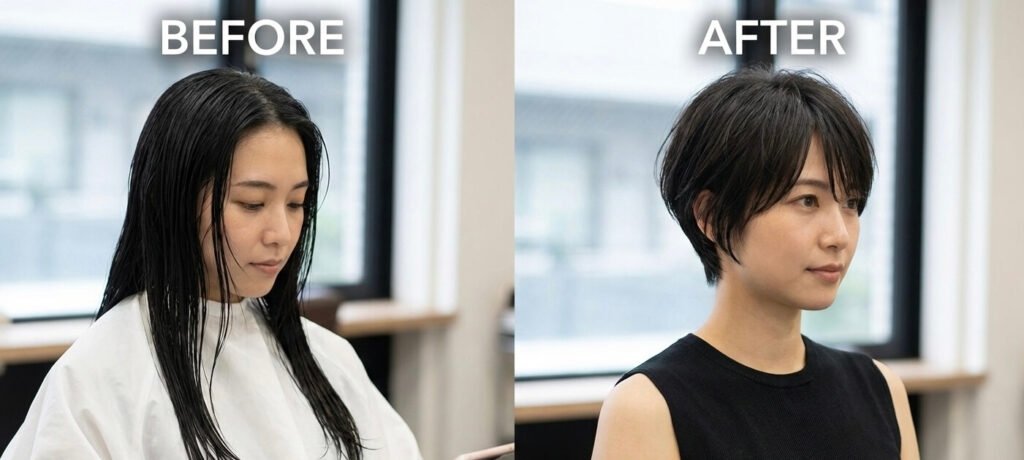
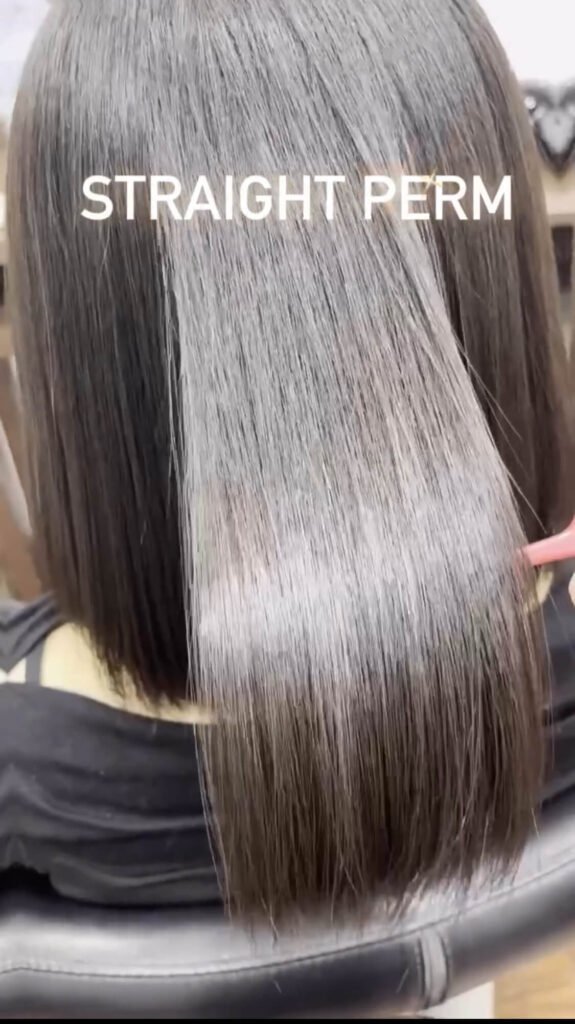
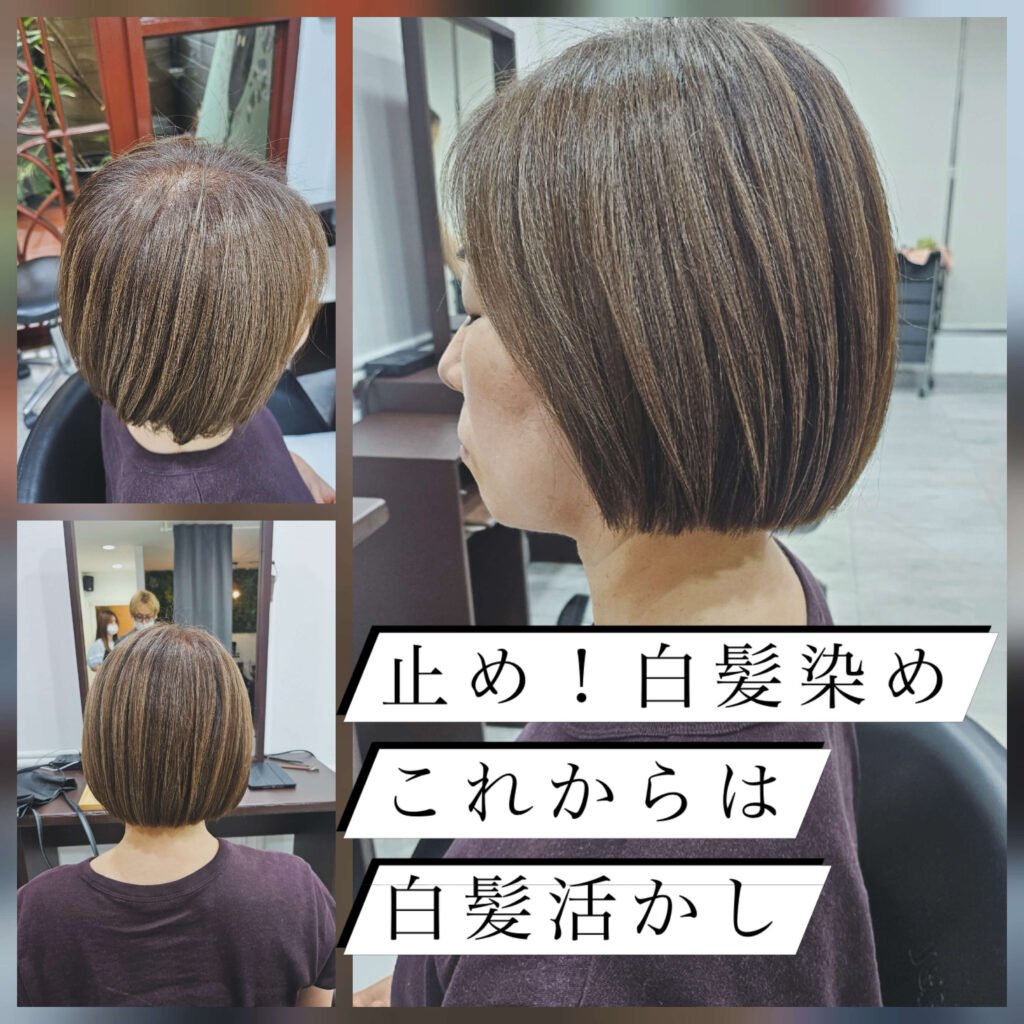
バンコクの美容室で美容師をしているとお客様から「タイの紫外線や硬水で髪がパサパサになってしまった…」というお悩みをよくご相談いただきます。
海外生活でのストレスや環境の変化は、思いのほか髪や頭皮に負担をかけるものです。
当サロンでは、タイ特有の水質や気候に合わせた丁寧なケアと、確かな化学的知識に基づく薬剤選定で、皆様のタイ生活をヘアスタイルの面からサポートしています。
施術のメリットだけでなく、髪へのダメージリスクなどのデメリットも包み隠さずお伝えし、長く安心してお付き合いいただけるサロン作りを心掛けております。バンコクでの生活が少し落ち着き、リフレッシュしたいなと思われた際は、ぜひ当サロンへお気軽にお立ち寄りください!
コメント